
8 Limbs of Yoga - Santosha
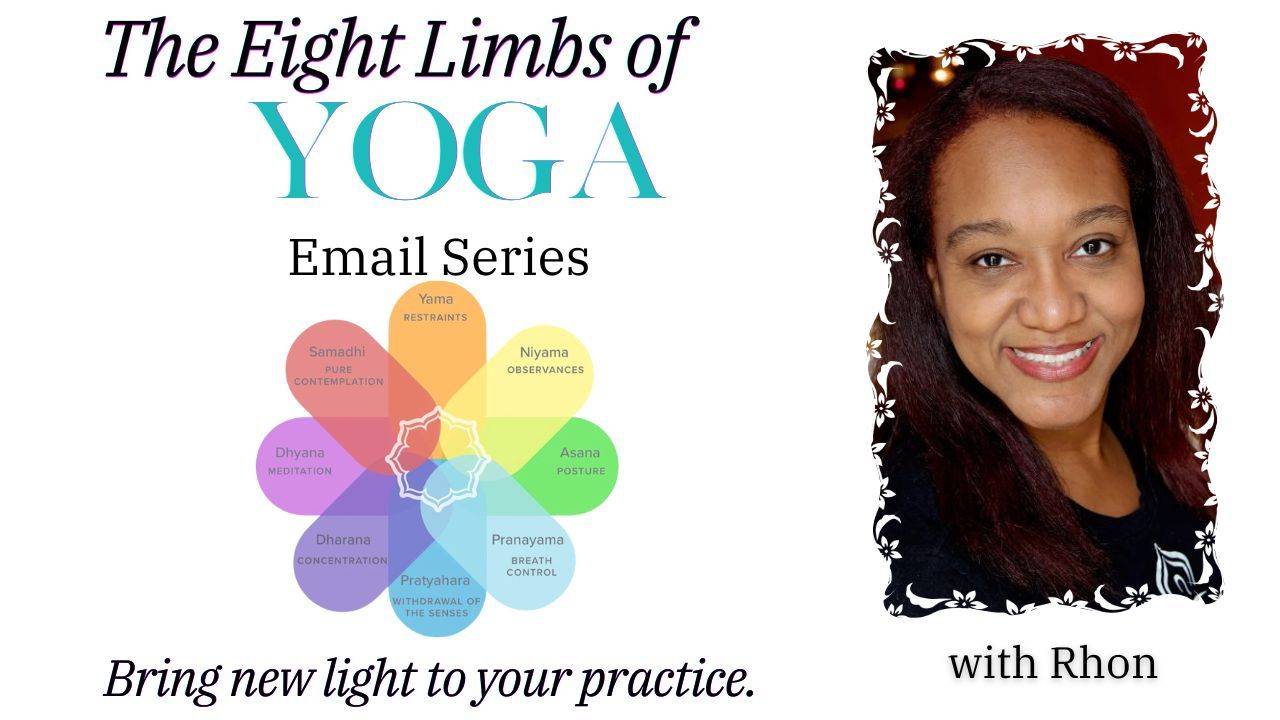
When we first begin studying yoga beyond the physical postures, it's natural to measure the teachings against our existing lives. The ethical principles can seem straightforward at first glance, inviting us to think, "I already do that." Yet yoga asks us to look beyond appearances and deeper than outward behavior. Its teachings are not simply about doing yoga, but about becoming more aware of how we move through life.
Santosa, the second Niyama of the Eight Limbs, is often translated as 'contentment.' When I first encountered it, I imagined happiness: a sunny beach, a smile, a sense that all was well. Over time, I realized happiness is fleeting and difficult to sustain. Santosa points toward something deeper than a pleasant emotion.
In yoga psychology, contentment is not the absence of discomfort, nor is it pretending everything is fine. Life will inevitably bring challenge, uncertainty, and change. Santosa invites us to remain present with what is, rather than resisting it or clinging to how we wish things were. It is the practice of holding space for our experiences without becoming defined by them.
When our sense of contentment is shaken, we are given an opportunity to respond with greater awareness. Rather than forcing positivity, santosa encourages acceptance, honesty, and a willingness to realign with our deeper intentions. Paired with tapas, the discipline to keep moving forward, it helps us stay steady amid life's fluctuations. Santosa reminds us to accept where we are, learn from what arises, and continue the journey one breath at a time.
Warmly
Black Belt Circle of Rasa Yoga
Radha Bhava Rhon Barras