8 Limbs of Yoga - Sauca
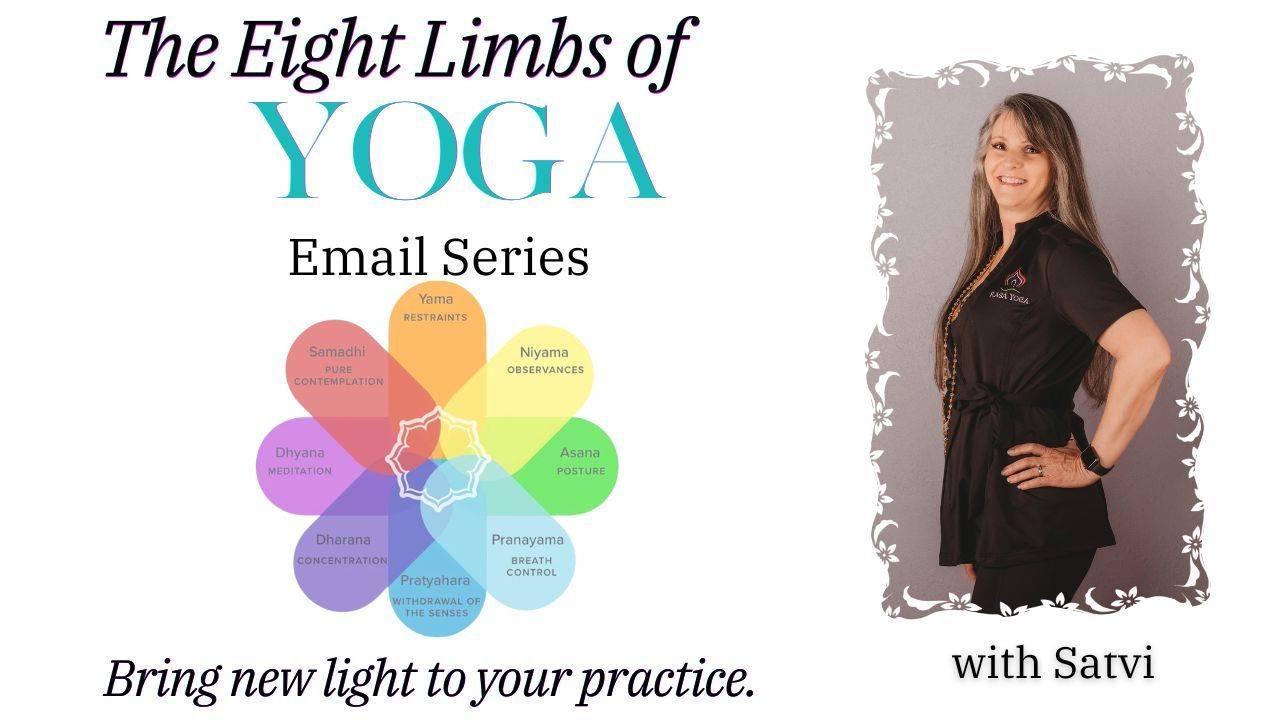
Sauca is the first of the five Niyamas, the personal observances that make up the second limb of yoga. It is often translated as purity, cleanliness, and order, but our teachers remind us that sauca is not only about keeping things neat. It is the sacred practice of clearing what obscures ease, function, truth, and our remembrance of who we are.
A few months ago, I realized I could no longer reach the back of my closet. Containers, boxes, and bins had slowly filled the walkway, leaving me with access to only a small portion of my clothes, the same pieces I wore repeatedly because they were easy to reach. The clutter had quietly narrowed my choices. I could not see what I loved or what still served me because so much had accumulated over time.
At first, it looked like it would take years to undo. But once I accepted where I was, I could begin. I made a simple plan: create space, not perfection. I filled one container with clothes that no longer fit, things I had not worn in a year, and items that made me sigh—like the shirt I kept imagining might become part of a T-shirt quilt someday, even though I knew I would not. Then I sorted clean laundry into three piles: clothes to fold, clothes to hang, and towels and sheets. I set a timer for twenty minutes, put away one pile, and stopped. One box out of the closet and one pile of clothes hung up was enough. I celebrated the win. Ease began to move in.
This is how I am beginning to understand sauca. It is not forcing order or using cleanliness as another way to control ourselves. It is not “clean my space, clean my diet, clean my body,” followed by self-judgment when we fall short. Sauca is gentler and more honest than that. It removes what obscures function. Too much in a closet obscures what you love. A crowded desk obscures the work in front of you. Too many commitments obscure your true priorities. Excess stimulation obscures peaceful sleep.
For me, the lack of sauca often appears in my mind, my emotions, my relationships, and my words. In the mind, sauca may mean reducing unnecessary noise: comparison, mindless internet shopping, rehearsing arguments, analyzing, and overthinking. The mind becomes a clearer instrument when it is not overloaded.
In the emotional realm, sauca can mean allowing emotions to move without becoming entangled in them. It is not suppressing anger or feeding anger, not denying grief, fear, sadness, or joy. It is letting experience move through while loving ourselves through whatever is there. In relationships, sauca can look like truthful communication, clear boundaries, awareness of agreements, and saying what is true without blaming or manipulating.
And then there is the deepest layer: removing what obscures our remembrance of who we are: the klesas, the habitual stories, the identification with every thought and feeling, and the fear of evolving into something new. This teaching humbles me. It asks me to look not with shame, but with devotion.
A muddy vessel is not purified by scraping at the mud endlessly. It is purified by allowing fresh water to flow through it. Little by little, what does not belong is carried away, and what remains is naturally clear. We have heard this story many times in the Master’s Path teachings, and it continues to reveal itself. To me, this is a true Rasa Yoga approach to sauca: steady, compassionate, and rooted in daily practice.
I offer deep gratitude to my teacher and to the lineage for making this teaching feel possible in ordinary life. Sauca is not somewhere far away. It is in the closet, the calendar, the inbox, the breath, the pause before speaking, the willingness to tell the truth, and the courage to release what no longer belongs.
With love,
Black Belt Circle of Rasa Yoga
Satvi (Sandra Clark)